Save Our Reds has launched an official UK parliamentary petition calling for a change in the law to strengthen protection for England’s endangered red squirrels and the places where they breed and shelter.
The petition, published on 26 October 2026, asks the Government to add red squirrels to Schedule 2 of the Conservation of Habitats and Species Regulations 2017, bringing their breeding and resting sites under the same stricter legal framework that already protects species including beavers, bats and otters.
It follows the publication of Save Our Reds’ first policy briefing paper earlier this month, which identified a longstanding gap in wildlife legislation.
Read and sign the official UK parliamentary petition
Protected in law, but vulnerable in practice
Red squirrels are among Britain’s most threatened native mammals. Although they are protected under the Wildlife and Countryside Act 1981, that protection contains an important limitation.
Under existing legislation, someone accused of destroying a red squirrel’s drey may be able to rely on a defence that the damage was the unavoidable, incidental result of an otherwise lawful operation.
This matters particularly where woodland management, tree felling or development affects places used by red squirrels for shelter and breeding.
For species such as bats, dormice and otters, the equivalent defence was removed in 2007. Red squirrels were not included.
The result is a legal distinction that Save Our Reds believes is increasingly difficult to justify, particularly as England’s remaining red squirrel populations face growing pressure from habitat loss, disease and competition from invasive grey squirrels.
Why beavers have stronger protection
Beavers were added to Schedule 2 of the Habitats Regulations in England in 2022, extending legal protection to their breeding sites and resting places.
Save Our Reds is asking the Government to use the existing legislative framework to extend comparable protection to red squirrels.
Such a change would make damaging or destroying their breeding and resting sites an offence without requiring proof of intent, subject to the provisions and licensing arrangements within the Regulations.
It would not impose an absolute prohibition on forestry operations or development. Work affecting protected sites could still be authorised through a licensing process where the relevant legal conditions are satisfied.
The proposal is therefore intended to strengthen accountability and ensure that impacts on red squirrels receive proper consideration before potentially damaging activities take place.
A species running out of time
The urgency is underlined by Natural England’s Red Squirrel Recovery Strategy, published in April 2026.
It warns that, under a scenario in which current threats are not adequately addressed, red squirrels could disappear from mainland England within approximately 25 years.
The threats are well documented. Grey squirrels compete with native reds and can carry squirrelpox virus, which is frequently fatal to red squirrels. Woodland fragmentation, development and forestry operations can further undermine populations already confined to increasingly isolated strongholds.
Save Our Reds recognises that stronger legislation alone will not reverse this decline.
Disease prevention, grey squirrel management, habitat connectivity, conservation research and properly resourced local protection efforts must all form part of a coordinated recovery programme.
But strengthening the law governing red squirrel breeding and resting sites is a specific measure that ministers can consider within the existing legislative framework.
From conservation evidence to parliamentary action
The new petition builds on Save Our Reds’ policy briefing, published during Red Squirrel Awareness Week in October.
Developed with red squirrel conservation specialists Dr Craig Shuttleworth and Dr Peter Lurz, the briefing examines the differences between existing protections and identifies a possible legislative route for addressing them.
It also highlights examples from Cumbria, Sefton and Anglesey where proposed development and habitat pressures have raised concerns about the future of local red squirrel populations.
The briefing has already attracted national and regional media coverage, helping bring the legal issue into wider public discussion.
The parliamentary petition now places a clearly defined proposal before the public through the official UK Parliament petitions system.
What happens next?
The petition is open until 26 April 2027.
Under the parliamentary petitions process:
- At 10,000 signatures, the Government will respond.
- At 100,000 signatures, the petition will be considered for debate in Parliament.
These thresholds do not guarantee a change in legislation, but they provide formal opportunities for the proposal to receive government and parliamentary consideration.
The new petition complements Save Our Reds’ wider conservation campaign and its Parliamentary Pledge, which invites MPs and peers to support a coordinated recovery framework addressing habitat protection, enforcement, research and practical conservation measures.
The immediate legislative request, however, is deliberately focused: to give red squirrels stronger protection for their breeding and resting sites under the Habitats Regulations in England.
Read the petition and the supporting evidence
The official petition sets out the proposed legislative change and explains why the campaign believes it is necessary.
Read and sign the parliamentary petition
Read Save Our Reds’ legal protection briefing
Explore the Save Our Reds Parliamentary Pledge
Save Our Reds CIC is an independent conservation campaign working to secure a future for Britain’s native red squirrels through stronger legal protection, practical conservation measures and public awareness.
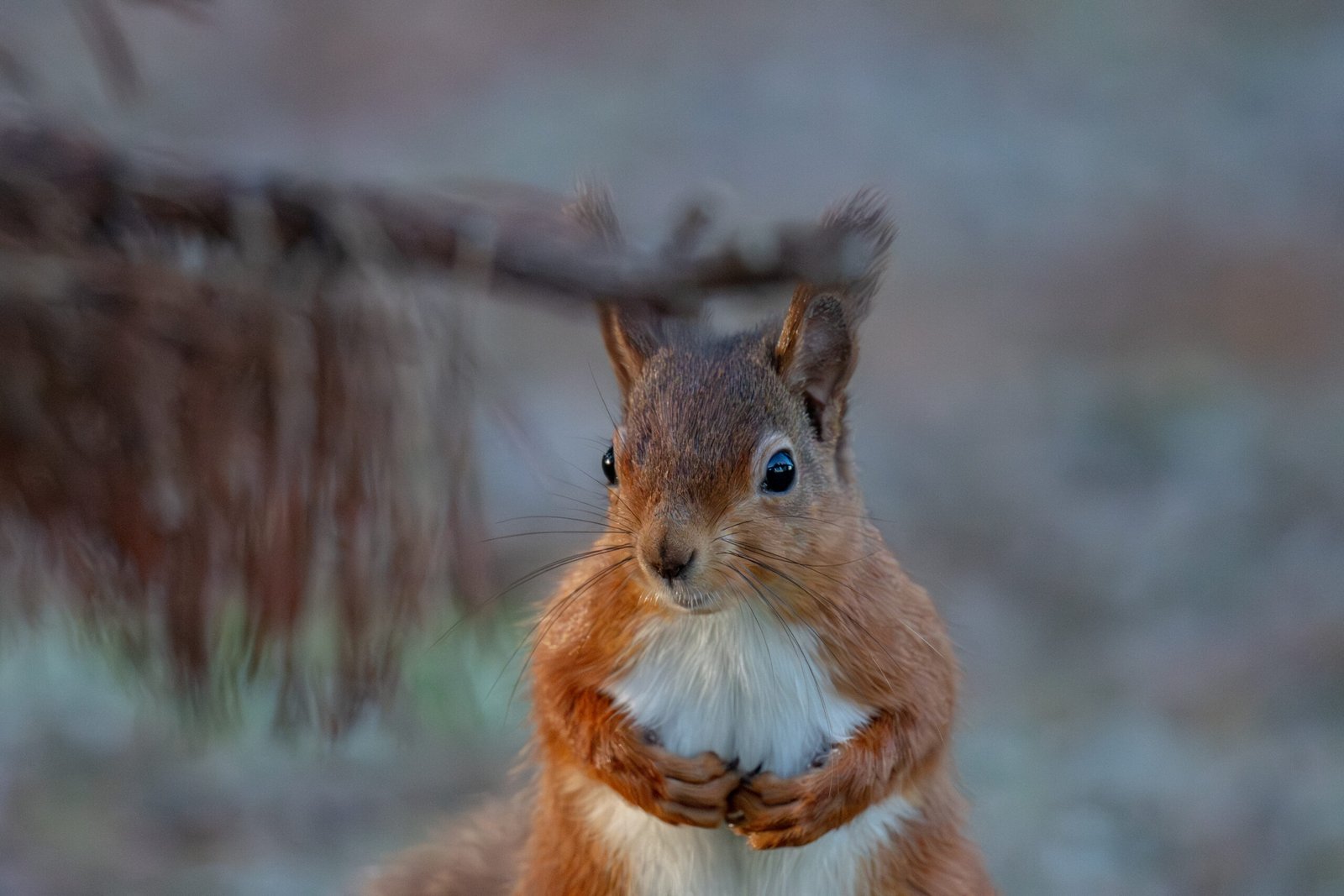
Image: Red squirrel by David Knighton.